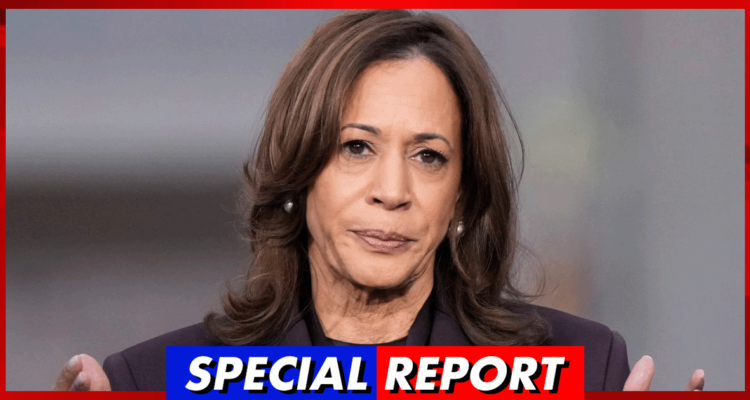
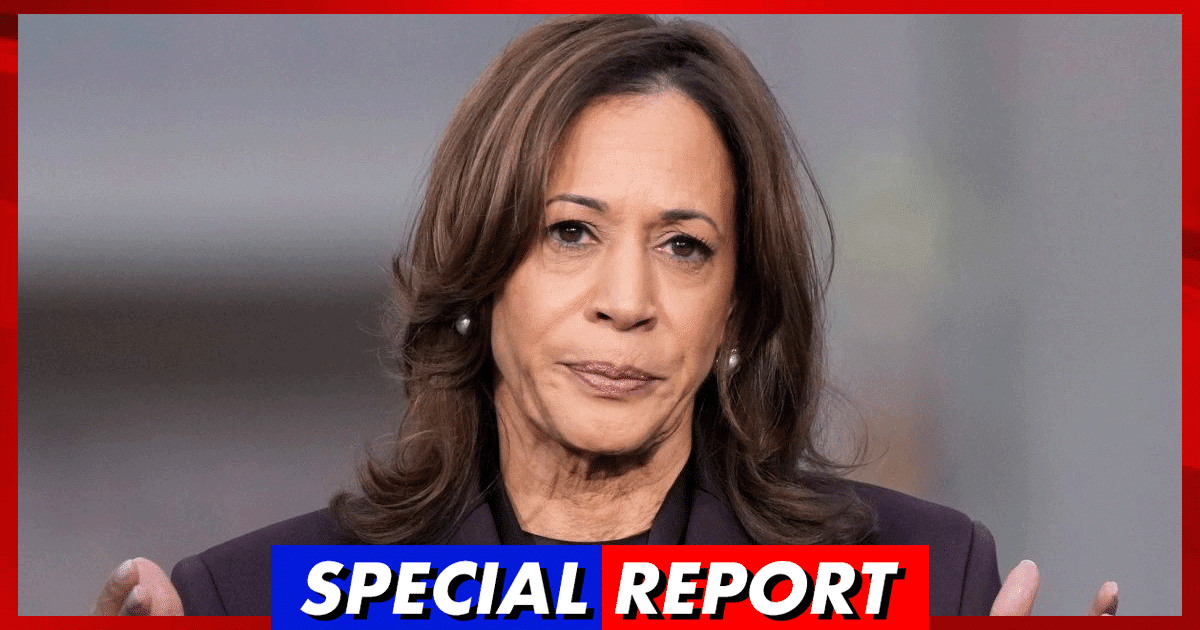
Kamala Harris thought she was cruising straight toward history, ready to break that “first female president” barrier with style and grace. After Biden’s exit, she hopped into the Democratic spotlight, maybe even practiced that victory wave. But on election night, reality hit her harder than a cold slap in January. The victory she assumed was hers ended in a good, old-fashioned trouncing by none other than Donald Trump.
Here’s the kicker: despite the confidence, the campaign machine, and enough political endorsements to make your head spin, Harris stumbled in counties that should’ve been slam dunks. Trump didn’t just beat her in the battlegrounds; he barreled through, racking up wins like it was 2020 all over again. Harris, who saw herself as a pioneer poised to make history, instead became the poster child for a rough year in Democratic missteps.
And we’re not talking a “close but no cigar” kind of loss here—this was a landslide, leaving Harris not just defeated but downright humbled on the national stage. To top it off, her campaign left her in $20 million worth of debt. That’s right, $20 million in the red! Apparently, raising $1 billion in donations doesn’t cover the bill when you’re throwing celebrity-filled concerts like they’re going out of style.
Oh, and speaking of those concerts—the campaign blew a small fortune on star-studded events with Katy Perry, Lizzo, Eminem, and Bruce Springsteen. A little political theater never hurt, but this? Turns out, all that glitter might not be gold after all. One insider says these “high-priced events” were all Jen O’Malley Dillon’s idea, Harris’s campaign chair. Meanwhile, essential spending on social media and grassroots efforts? Practically non-existent.
So here’s Harris, having to concede not only defeat but also an eye-watering debt and a fractured team wondering, “Where did it all go wrong?” While Harris was supposedly the star of her own campaign, insiders paint a different picture—one where O’Malley Dillon played gatekeeper, pushing Biden’s old Delaware playbook rather than a new, fresh approach.
Now, with the dust barely settled, Rob Flaherty, the deputy campaign manager, is shopping around Harris’s fundraising email list, desperately trying to scrape together some cash to cover the campaign’s ballooning debt. But folks close to the campaign say this wasn’t just a tough break; it was a management catastrophe. They’ve described a campaign stuck in the past, weighed down by disorganization, and running a rehashed version of Biden’s show rather than a true “Kamala campaign.”
After all is said and done, the “first female president” dream is looking pretty dim. Harris was supposed to be the Democratic Party’s future, the next step in Biden’s legacy. Instead, her defeat signals an ugly turn for her party, leaving them in the awkward position of assessing just what went wrong.
Now, she’s left with $20 million in debt, a frustrated staff still waiting for their checks, and a legacy far from the history-making one she’d imagined. It’s a brutal political lesson in what happens when you trade in strategy for spectacle, and it’s a reminder that sometimes, the big dream of “making history” crashes harder than you’d ever expect.